Clinical Skills Development Programme — Darsons Institute
Clinical Training

Clinical Skills Development Programme

CSD-PCT Programme

Building Clinical Competence, One Year at a Time

A pharmacist’s professional role extends beyond knowledge of medicines. It also requires clear communication, careful evaluation of medication-related information, recognition of safety concerns, teamwork, ethical judgement, and a commitment to patient-centred care.

The Darsons Clinical Skills Development Programme (CSD-PCT) is a structured annual training cycle for Pharm-D Professional Years I–V. It helps students connect their academic learning with practical clinical skills through a progressive sequence of concepts, demonstrations, simulation, assessment, and reflection — designed to complement, not replace, the university-approved Pharm-D curriculum, required clinical placements, or other formal academic and professional requirements.

Programme Vision

To develop every Pharm-D student into a competent, ethical, patient-centred future pharmacist through progressive clinical skills development, safe practice, and evidence-informed pharmaceutical care.

Programme Mission

To provide a structured learning pathway in which students progressively practise communication, clinical observations, medication safety, pharmaceutical care, clinical reasoning, and professional collaboration at a level appropriate to their year of study.

Overview

Programme at a Glance

1 Dec – 31 May
Annual Training Cycle
24 Modules
Structured Learning per Year
2–3 Hours
Suggested Weekly Session
5 Years
Progressive Professional Pathway
Focus Areas

Six Core Skill Areas

Every weekly module ties back to one or more of these six core clinical skill areas.

Patient Communication

Practise respectful communication, active listening, patient interviewing, and clear medication counselling through structured exercises.

Medication Safety

Learn to identify prescription concerns, medication-related risks, adverse drug reactions, and opportunities to prevent avoidable harm.

Clinical Simulation & OSCE

Practise defined clinical tasks through demonstrations, skills stations, simulated scenarios, and objective structured clinical examinations where implemented.

Clinical Observations

Build foundational skills in vital-sign measurement, observation, and interpretation within the student’s training and supervision limits.

Pharmaceutical Care

Progress towards structured medication reviews, drug-related problem identification, care planning, and monitoring through simulated or approved cases.

Clinical Learning Portfolio

Document learning activities, competency assessments, reflective notes, and progress towards year-specific clinical skills outcomes.

Progressive Pathway

A Five-Year Clinical Skills Pathway

Each professional year follows its own 24-week module plan. Skills are revisited at increasing levels of complexity so that students consolidate foundational knowledge before advancing to more demanding clinical activities.

YEAR 1
Professional Year 1 — Foundations of Patient Care
FOCUS: Communication, ethics and basic observations

Students practise professional introductions, active listening, confidentiality, infection prevention, basic vital-sign measurement demonstrations, and introductory health education using suitable simulated activities.

YEAR 2
Professional Year 2 — Patient Information & Medication Safety
FOCUS: Patient history, prescriptions and safe medicine use

Students learn structured medication history-taking, prescription interpretation, dosage calculations, basic interaction screening, medication reconciliation concepts, and patient counselling through supervised exercises.

YEAR 3
Professional Year 3 — Clinical Reasoning & Medication Review
FOCUS: Drug-related problems and evidence-based decisions

Students work through fictional patient cases, identify potential medication-related problems, interpret relevant clinical information, and practise evidence-based reasoning under faculty guidance.

YEAR 4
Professional Year 4 — Pharmaceutical Care & Clinical Applications
FOCUS: Care plans, monitoring and teamwork

Students develop structured pharmaceutical care plans for educational cases, practise monitoring and follow-up documentation, and strengthen collaboration through supervised scenarios aligned with their academic preparation.

YEAR 5
Professional Year 5 — Advanced Case Management & Professional Practice
FOCUS: Integrated cases, clinical documentation and handover

Students integrate patient information, medication assessment, care planning, monitoring, case presentations, and interprofessional communication in supervised educational settings and approved placements where available.

The year-wise descriptions indicate the proposed progression. Exact competencies must be aligned with the student’s completed coursework, approved curriculum, and demonstrated readiness.
Weekly Format

Recommended Weekly Training Format

Each weekly session is designed around practice rather than lecture alone. Suggested duration: 2–3 hours, with a standard two-and-a-half-hour format.

30 min
01
Concept & Clinical Reasoning

Explain the purpose, relevant knowledge, safety considerations, and learning outcomes.

30 min
02
Instructor Demonstration

Model the task, explain each step, and demonstrate safe practice.

60 min
03
Hands-On Skills Stations

Practise using simulation, role-play, task stations, or approved supervised activities.

30 min
04
Assessment, Feedback & Portfolio

Review performance, identify improvement areas, and document learning evidence.

Annual Structure

The 24-Week Training Cycle

Every professional year follows its own 24-week syllabus, with topics and practical expectations adjusted to the student’s level — providing continuity across all five years without requiring every cohort to study the same clinical material at the same depth.

Training Phase Weeks Main Purpose
Foundation & orientation Wk 1–4 Professional conduct, essential concepts, safety, and introductory skills
Guided skill development Wk 5–8 Demonstrations, structured practice, and feedback
Applied clinical learning Wk 9–12 Patient information, medication-related tasks, or year-specific cases
Integrated practice Wk 13–16 Combining multiple skills in scenarios and supervised exercises
Competency consolidation Wk 17–20 Repeated practice, case interpretation, and targeted remediation
Final assessment & reflection Wk 21–24 Skills assessment, portfolio review, feedback, and development planning
Learning Outcomes

Core Clinical Skills Learning Outcomes

By the end of the progressive programme, students should be able to demonstrate the following competencies at a level appropriate to their training and authorised scope of practice.

  • Communicate professionally with patients, caregivers, and healthcare teams.
  • Collect and interpret relevant patient information using structured methods.
  • Measure and interpret basic clinical observations when appropriately trained and supervised.
  • Review prescriptions for potential appropriateness, dosage concerns, interactions, contraindications, and medication-safety issues.
  • Recognise, document, and communicate suspected drug-related problems and adverse drug reactions through appropriate channels.
  • Provide evidence-based medication counselling and health education.
  • Develop and review pharmaceutical care plans using suitable clinical information and supervision.
  • Document cases, present findings, and collaborate with other healthcare professionals.
  • Apply confidentiality, infection prevention, ethical reasoning, and patient-safety principles.
  • Maintain a clinical learning portfolio that records progress, feedback, and competency evidence.
Facilities

Training Facilities

Purpose-built spaces and supervised settings that bring every stage of the clinical skills pathway to life.
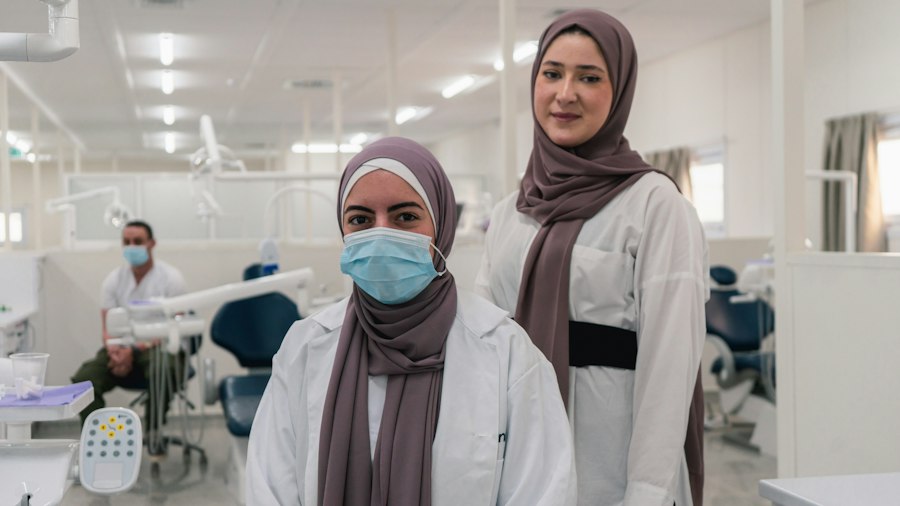
Simulation Labs at Darsons Institute
Simulation Labs

Safe, realistic practice environments for building core clinical skills before stepping into supervised patient care.

Patient Counseling Practice at Darsons Institute
Patient Counseling Practice

Structured training in patient communication, active listening, and clear medication counselling techniques.

Dispensing & Compounding at Darsons Institute
Dispensing & Compounding

Hands-on practice in accurate dispensing, labelling, and medication compounding under close supervision.
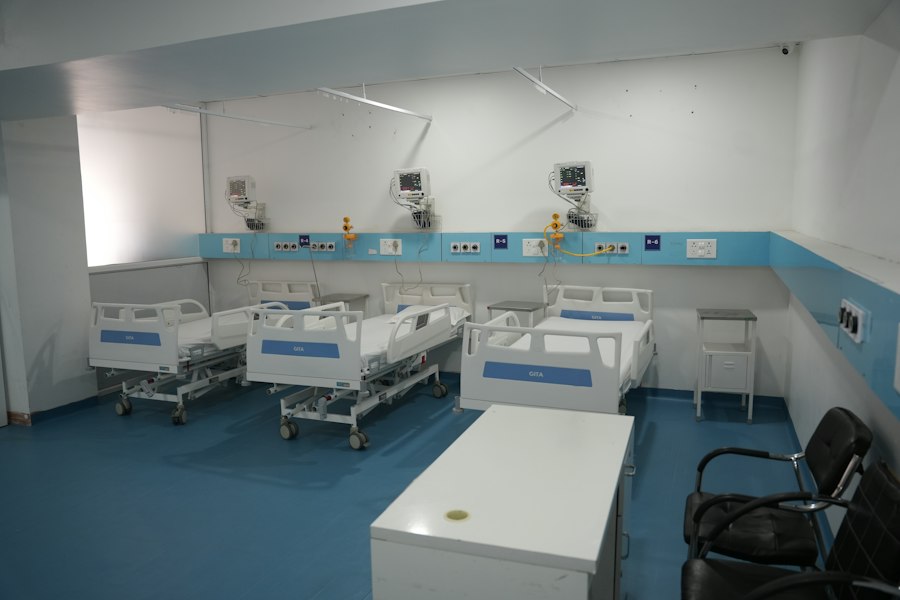
Clinical Rotations at Darsons Institute
Clinical Rotations

Supervised placements and simulated ward exercises connecting classroom learning with hospital and community pharmacy settings.

OSCE Preparation at Darsons Institute
OSCE Preparation

Structured preparation for Objective Structured Clinical Examinations through timed, task-based skills stations.
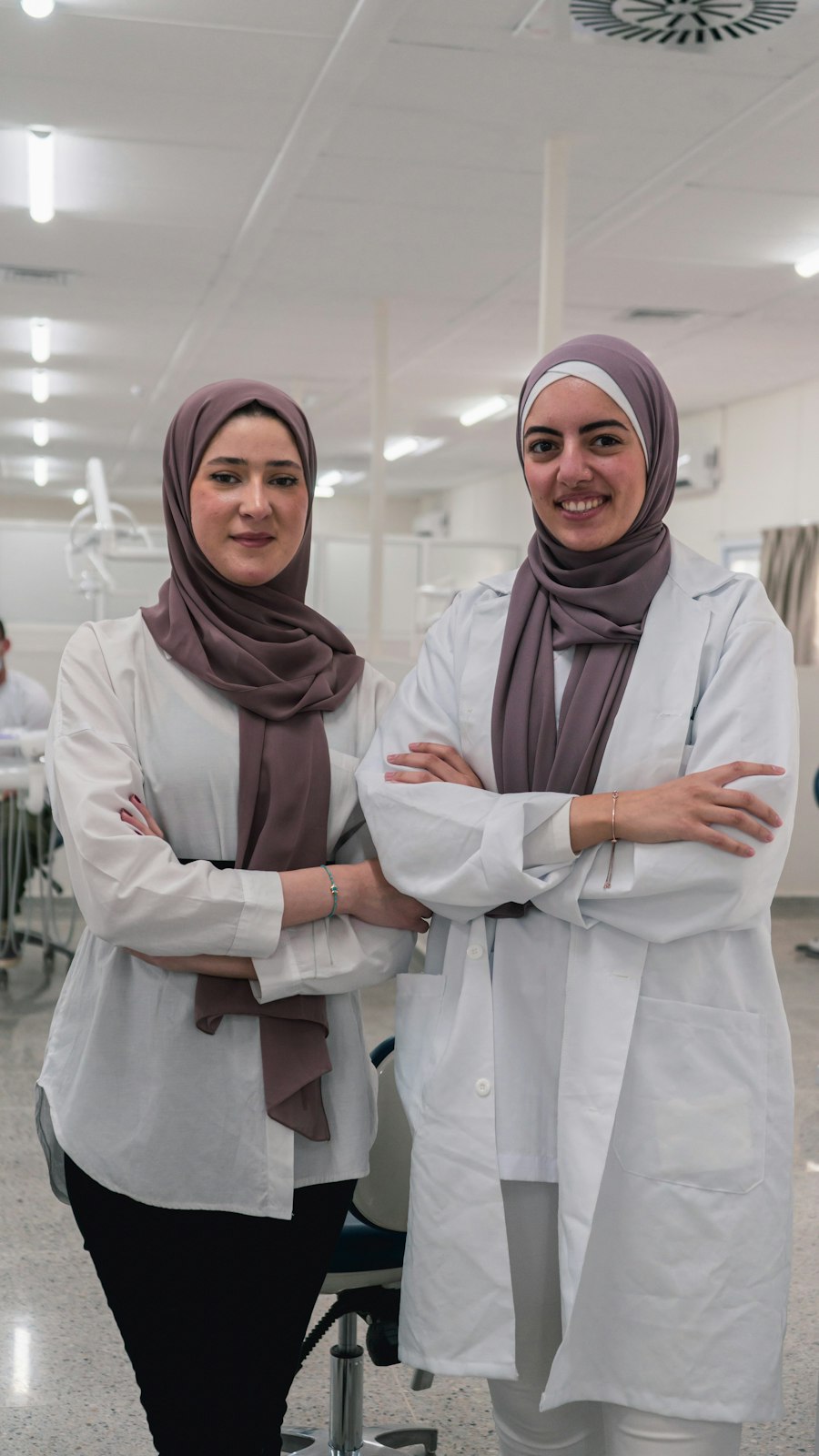
Interprofessional Training at Darsons Institute
Interprofessional Training

Collaborative learning alongside other allied health disciplines to build teamwork and communication.

Verification

Assessment & Clinical Competency Verification

Assessment should determine whether students can explain and perform the skills they have been taught, not simply recall information. The proposed programme uses a combination of formative feedback and structured competency checks.

A student should progress to a higher-risk or more complex task only when the relevant prerequisite learning, supervision, and competency requirements have been met. A portfolio entry alone does not establish clinical competence.
Possible Assessment Methods
  • Short knowledge checks and clinical reasoning questions.
  • Demonstration and return-demonstration of taught skills.
  • Structured practical checklists.
  • Simulated patient interviews and counselling scenarios.
  • Objective Structured Clinical Examination (OSCE) stations, where implemented.
  • Clinical case reports and presentations.
  • Reflective portfolio entries and individual development plans.
The Programme Emphasises
  • Respectful communication, informed consent where applicable, and confidentiality.
  • Hand hygiene, infection prevention, and appropriate use of protective equipment.
  • Safe handling of clinical information and secure documentation.
  • Recognition and escalation of medication-related concerns.
  • Appropriate communication when an error, near miss, or safety concern is identified.
  • Respect for professional boundaries and individual patient needs.
Safety & Ethics

Patient Safety, Ethics & Supervision

Patient safety is a core principle of clinical skills development. Training should take place in a controlled environment with clear learning objectives, appropriate equipment, qualified supervision, and defined limits on student activities.

Students must not independently diagnose patients, prescribe medicines, alter treatment, or perform invasive procedures outside the permissions and supervision provided by applicable law, institutional policy, and their authorised training.
STEM Integration

Integration with STEM-Based Pharm-D Learning

Clinical skills development connects with Darsons’ STEM-based educational vision through evidence-based reasoning, data interpretation, digital documentation, and practical problem-solving.

Interpreting fictional vital-sign observations in a simulated case.

Using a structured checklist to review a sample prescription.

Analysing a de-identified or synthetic medication-safety dataset.

Comparing credible references when answering a medicine-information question.

Preparing a digital pharmaceutical care plan for an educational scenario.

Reviewing a case to identify uncertainty, potential bias, and missing information.

These activities help students connect pharmaceutical knowledge with analytical thinking and responsible technology use.

Portfolio

Clinical Learning Portfolio

Each student should maintain an organised academic portfolio as evidence of learning and professional development across the five years.

Patient-identifiable information must not be included in student portfolios unless there is a lawful, authorised, and appropriately protected basis for its use. Educational cases should use fictional or suitably de-identified information.
A Proposed Portfolio May Include
  • Personal learning objectives and competency checklists.
  • Records of completed training sessions.
  • Skills-station assessment forms and feedback.
  • Simulated case reports and medication review exercises.
  • Reflective notes identifying strengths and improvement goals.
  • Case presentations and relevant academic work.
  • Supervisor verification where required and appropriate.

Our Commitment to Clinical Excellence

The Darsons Clinical Skills Development Programme aims to make clinical learning progressive, structured, practical, and safety-focused. By combining foundational skills, supervised practice, feedback, assessment, and reflection, the proposed pathway can help Pharm-D students prepare for the responsibilities of patient-centred pharmaceutical care.

The goal is not simply to complete training sessions. It is to build the knowledge, judgement, professional behaviour, and documented competencies that support responsible practice as students advance through their Pharm-D education.

Quick Info

At a Glance

Training Calendar

Proposed annual cycle from 1 December to 31 May, subject to institutional confirmation.

Year-Wise Modules

Progressive learning plans tailored to Pharm-D Professional Years I–V.

Skills Assessment

Structured criteria used to review performance and identify areas for improvement.

Clinical Portfolio

Organised evidence of learning, feedback, and competency development.

Patient Safety

Confidentiality, safe practice, professional boundaries, and supervised learning.

Clinical Mentorship

Instructor guidance, constructive feedback, and appropriate supervision.

FAQ

Frequently Asked Questions

It is a hands-on training pathway at Darsons Institute that builds practical pharmacy and healthcare skills through simulation labs, supervised practice, and clinical rotations.

Pharm-D Professional Year I–V students enrolled at Darsons Institute, under faculty supervision. Access is scheduled as part of the approved weekly training sessions for each year.

An Objective Structured Clinical Examination (OSCE) is a series of timed stations that test specific clinical skills. Students are prepared through weekly hands-on skills stations, structured practical checklists, and simulated OSCE-style assessments during the Competency Consolidation phase (Weeks 17–20).

Clinical placements remain governed by the university-approved Pharm-D curriculum and institutional policy. The CSD-PCT programme is designed to complement and prepare students for these placements, not to replace them.

The Darsons Clinical Skills Development Programme (CSD-PCT) is a structured annual training cycle for Pharm-D Professional Years I–V that connects academic learning with practical clinical skills through concepts, demonstrations, simulation, assessment, and reflection.

The proposed annual cycle runs from 1 December to 31 May, consisting of 24 weekly modules per professional year, with suggested sessions of 2–3 hours, subject to approved scheduling.

Each professional year follows its own 24-week module plan. Skills are revisited at increasing levels of complexity — from foundational communication and observation skills in Year I to integrated, supervised case management in Year V.

Students progressively practise professional communication, patient history-taking, medication safety screening, clinical observations, pharmaceutical care planning, case documentation, and interprofessional collaboration, appropriate to their year of study.

Yes. Training includes simulation, role-play, task stations, and supervised exercises each week. The complexity and scope of activities always follow the student’s training level, available supervision, and institutional permissions.

Assessment combines formative feedback with structured competency checks, including knowledge checks, return-demonstration, practical checklists, simulated patient interviews, OSCE stations where implemented, case reports, and reflective portfolio entries.

It is an organised academic record each student maintains across the five years, documenting learning objectives, completed sessions, assessment feedback, case reports, reflective notes, and supervisor verification.

Through controlled learning environments, clearly defined supervision limits, infection-prevention and confidentiality protocols, and clear procedures for recognising and escalating errors or safety concerns.

It is designed to run alongside — not replace — the university-approved Pharm-D curriculum, required clinical placements, and other formal academic and professional requirements, reinforcing them through additional structured, supervised practice.

No. Completing training sessions and maintaining a portfolio documents learning exposure and evidence of practice. Actual clinical competence, licensing, and employment outcomes depend on full academic performance, formal supervised assessment, and the requirements of relevant regulatory and professional bodies.

Have a question? Reach out to Darsons Institute — we’re happy to help.

Build Skills. Strengthen Judgement. Put Patient Safety First.

Discover how progressive clinical skills development can complement your Pharm-D education, strengthen pharmaceutical care knowledge, and help you prepare for future professional responsibilities.